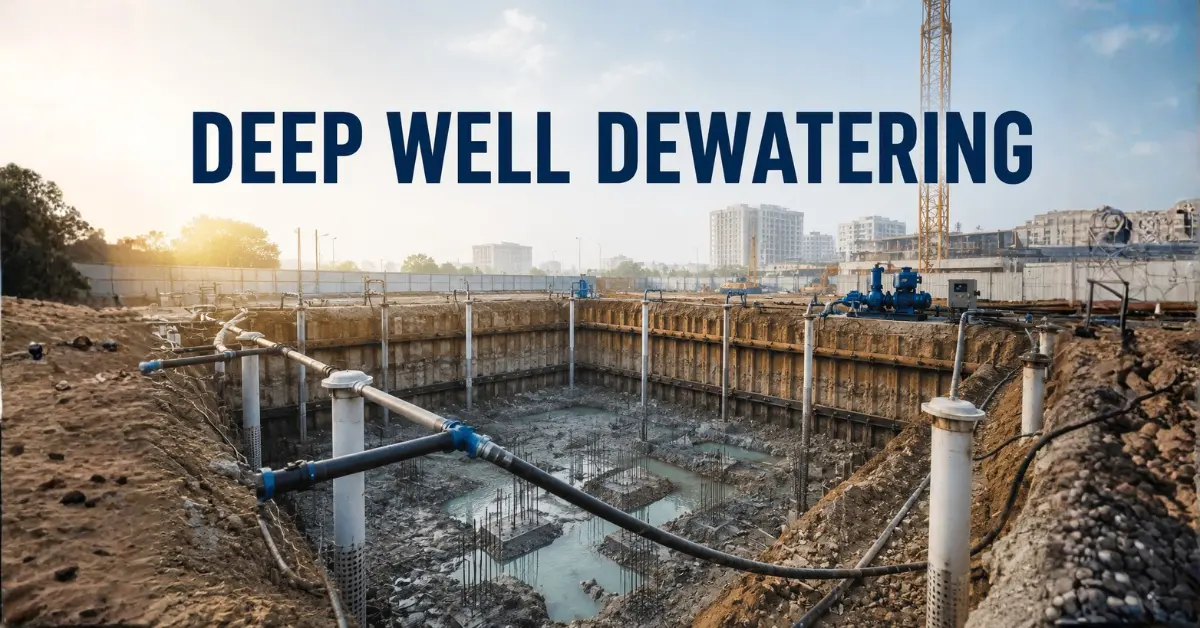
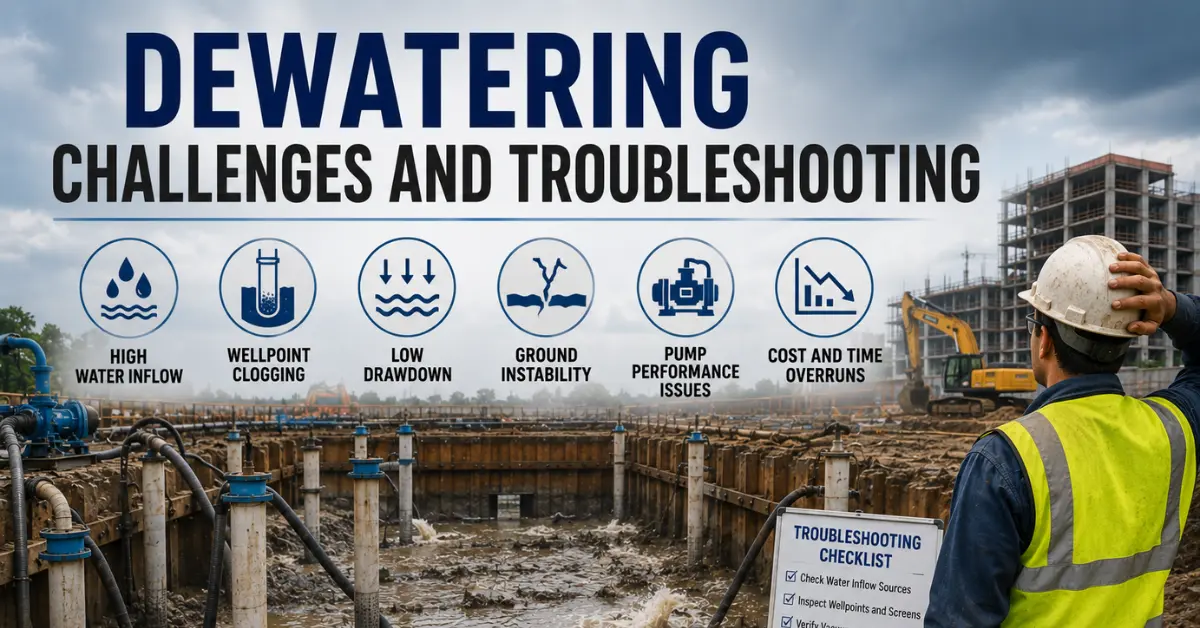
Dewatering is a critical component of many construction, excavation, infrastructure, and utility projects. Effective groundwater control helps create safe working conditions, improve soil stability, protect structures, and keep projects on schedule. However, even a well-designed dewatering system can encounter unexpected issues that affect performance and increase project risks.
Understanding common dewatering challenges is essential for contractors, engineers, and project managers. Groundwater conditions can change unexpectedly, equipment can fail, and environmental factors can impact system performance. If these issues are not identified and addressed quickly, they can lead to excavation instability, flooding, project delays, and increased costs.
This guide explores the most common dewatering challenges, the risks associated with poor groundwater control, practical troubleshooting solutions, and best practices for maintaining effective dewatering performance throughout a project.
Why Understanding Common Dewatering Challenges Is Important
Groundwater conditions are often more complex than initial site investigations suggest.
Unexpected issues can result in:
- Excavation flooding
- Trench collapse
- Soil instability
- Construction delays
- Equipment damage
- Increased operating costs
- Environmental compliance problems
Recognizing common dewatering challenges early allows project teams to respond quickly and prevent minor issues from becoming major problems.
Challenge 1: Unexpected Groundwater Inflows
One of the most common dewatering challenges is encountering groundwater inflows that exceed design expectations.
Even after detailed investigations, actual groundwater conditions may differ from predictions.
Causes
- Hidden aquifers
- Seasonal groundwater fluctuations
- Increased recharge from rainfall
- Incomplete site investigation data
- Changes in nearby water sources
Risks
- Excavation flooding
- Reduced system effectiveness
- Construction delays
- Increased pumping requirements
Troubleshooting Solutions
- Install additional wells or wellpoints
- Increase pump capacity
- Conduct supplemental groundwater investigations
- Implement temporary emergency pumping systems
- Continuously monitor groundwater levels
Challenge 2: Pump Failure
Pump failures are among the most serious common dewatering challenges because groundwater can quickly return to excavation areas.
Causes
- Mechanical wear
- Electrical failures
- Power outages
- Blocked pump intakes
- Improper maintenance
Risks
- Rapid flooding
- Project shutdowns
- Equipment damage
- Safety hazards
Troubleshooting Solutions
- Maintain backup pumps on-site
- Implement preventative maintenance programs
- Install automatic alarm systems
- Monitor pump performance regularly
- Ensure reliable power supplies
Challenge 3: Well Clogging and Reduced Performance
Over time, wells and wellpoints may lose efficiency due to clogging.
This is one of the most frequent common dewatering challenges in long-term projects.
Causes
- Fine sediment accumulation
- Mineral deposits
- Biological growth
- Filter pack deterioration
Risks
- Reduced pumping capacity
- Higher operating costs
- Inadequate groundwater control
Troubleshooting Solutions
- Perform regular well maintenance
- Clean screens periodically
- Use properly designed filter packs
- Conduct routine performance testing
- Redevelop wells when necessary
Challenge 4: Soil Settlement
Groundwater lowering can sometimes cause settlement of surrounding soils.
This is one of the most important common dewatering challenges in urban environments.
Causes
- Excessive groundwater drawdown
- Compressible soil layers
- Long-term pumping
- Improper system design
Risks
- Building settlement
- Pavement damage
- Utility displacement
- Structural cracking
Troubleshooting Solutions
- Monitor groundwater levels carefully
- Reduce unnecessary drawdown
- Use recharge systems where appropriate
- Monitor nearby structures
- Conduct settlement assessments
Challenge 5: Excavation Instability
Poor groundwater control can weaken excavation walls and trench slopes.
Causes
- Insufficient drawdown
- Excess groundwater pressure
- Soil erosion
- Inadequate dewatering system capacity
Risks
- Excavation collapse
- Worker injuries
- Project delays
- Equipment damage
Troubleshooting Solutions
- Increase groundwater lowering efforts
- Install additional dewatering wells
- Improve excavation support systems
- Monitor excavation conditions daily
Challenge 6: Surface Water Infiltration
Rainfall and stormwater can overwhelm dewatering systems.
This remains one of the most common dewatering challenges on construction sites.
Causes
- Heavy rainfall
- Poor drainage
- Inadequate site grading
- Extreme weather events
Risks
- Flooded excavations
- Increased pumping demands
- Construction delays
Troubleshooting Solutions
- Install temporary drainage channels
- Use diversion berms
- Improve site grading
- Deploy emergency pumping equipment
Challenge 7: Power Supply Interruptions
Many dewatering systems rely on continuous operation.
Power disruptions can severely affect groundwater control.
Causes
- Utility outages
- Generator failures
- Electrical faults
- Severe weather
Risks
- Pump shutdown
- Excavation flooding
- Operational delays
Troubleshooting Solutions
- Install backup generators
- Use automatic transfer switches
- Monitor electrical systems
- Develop emergency response plans
Challenge 8: Environmental Compliance Issues
Environmental regulations can significantly affect dewatering operations.
Causes
- Poor discharge water quality
- Excess sediment release
- Inadequate permits
- Failure to monitor discharge conditions
Risks
- Regulatory penalties
- Project shutdowns
- Environmental damage
Troubleshooting Solutions
- Implement sediment control measures
- Monitor water quality regularly
- Maintain discharge permits
- Use filtration and treatment systems
Challenge 9: Variable Soil Conditions
Subsurface conditions often vary across a project site.
This unpredictability is one of the most difficult common dewatering challenges to manage.
Causes
- Mixed soil layers
- Unexpected geological formations
- Incomplete geotechnical data
Risks
- Uneven groundwater control
- Reduced system performance
- Increased costs
Troubleshooting Solutions
- Conduct additional site investigations
- Adjust well spacing
- Modify pumping rates
- Use multiple dewatering methods if necessary
Challenge 10: Inadequate System Design
Some groundwater problems originate from poor planning rather than field conditions.
Causes
- Insufficient site investigation
- Incorrect groundwater assumptions
- Undersized equipment
- Improper well spacing
Risks
- Poor system performance
- Higher operating costs
- Construction delays
Troubleshooting Solutions
- Reevaluate design assumptions
- Upgrade equipment
- Add supplemental wells
- Consult groundwater specialists
Major Risks Associated with Dewatering Failures
If common dewatering challenges are not addressed effectively, several significant risks may arise.
Worker Safety Risks
Flooded excavations and unstable soils increase accident potential.
Project Delays
Groundwater issues frequently disrupt construction schedules.
Increased Costs
Emergency pumping, redesigns, and repairs can significantly increase project expenses.
Structural Damage
Settlement and instability can affect nearby buildings and infrastructure.
Environmental Consequences
Improper discharge practices may impact local ecosystems and water resources.
Effective Troubleshooting Process
When addressing common dewatering challenges, a structured troubleshooting approach is recommended.
Step 1: Identify the Problem
Determine whether the issue involves:
- Groundwater levels
- Equipment performance
- Soil conditions
- Environmental compliance
Step 2: Collect Data
Review:
- Groundwater monitoring results
- Pump performance records
- Weather conditions
- Site observations
Step 3: Analyze Root Causes
Identify why the problem occurred rather than only addressing symptoms.
Step 4: Implement Corrective Actions
Apply appropriate solutions based on the identified cause.
Step 5: Monitor Results
Verify that corrective measures restore effective system performance.
Best Practices for Preventing Dewatering Problems
Many common dewatering challenges can be avoided through proactive planning and management.
Conduct Thorough Site Investigations
Accurate groundwater and soil data improve system design.
Design for Worst-Case Conditions
Consider seasonal groundwater fluctuations and extreme weather events.
Install Redundancy
Backup pumps and generators improve reliability.
Monitor Continuously
Real-time monitoring helps identify issues early.
Maintain Equipment Regularly
Preventative maintenance reduces the likelihood of failures.
Train Personnel
Operators should understand system requirements and emergency procedures.
Future Technologies for Managing Dewatering Challenges
New technologies are helping contractors address common dewatering challenges more effectively.
Emerging innovations include:
- Remote monitoring systems
- Smart groundwater sensors
- Automated pump controls
- Real-time data analytics
- Predictive maintenance software
- Cloud-based monitoring platforms
These tools improve system reliability and help reduce operational risks.
Frequently Asked Questions
What are the most common dewatering challenges?
The most common dewatering challenges include unexpected groundwater inflows, pump failures, well clogging, soil settlement, excavation instability, and environmental compliance issues.
What causes dewatering systems to fail?
Common causes include equipment breakdowns, poor system design, inadequate maintenance, changing groundwater conditions, and power supply interruptions.
How can pump failures be prevented?
Regular maintenance, backup pumps, monitoring systems, and reliable power supplies help reduce pump failure risks.
Why does soil settlement occur during dewatering?
Excessive groundwater lowering can cause compressible soils to consolidate, resulting in settlement.
How can groundwater inflow problems be addressed?
Additional wells, increased pumping capacity, improved monitoring, and revised system designs are common solutions.
Conclusion
Understanding common dewatering challenges is essential for maintaining safe and effective groundwater control throughout construction and excavation projects. Issues such as unexpected groundwater inflows, pump failures, well clogging, soil settlement, excavation instability, and environmental compliance concerns can significantly impact project performance if left unresolved.
By identifying common dewatering challenges early, implementing appropriate troubleshooting solutions, and following industry best practices, project teams can reduce risks, improve reliability, and avoid costly delays. Successful dewatering depends on careful planning, continuous monitoring, proper maintenance, and the ability to respond quickly to changing site conditions.
As construction projects become increasingly complex, the ability to anticipate and manage common dewatering challenges will remain a key factor in achieving safe, efficient, and cost-effective groundwater control.